

Article: Additive Manufacture of a Compliant Forward Facing Closed Circuit Television (FFCCTV) Shroud For Angel Trains and Alstom
Overview
Sourcing replacement components for legacy rail fleets can be challenging, especially when traditional manufacturing methods involve long lead times, specialist tooling or low-volume production requirements.
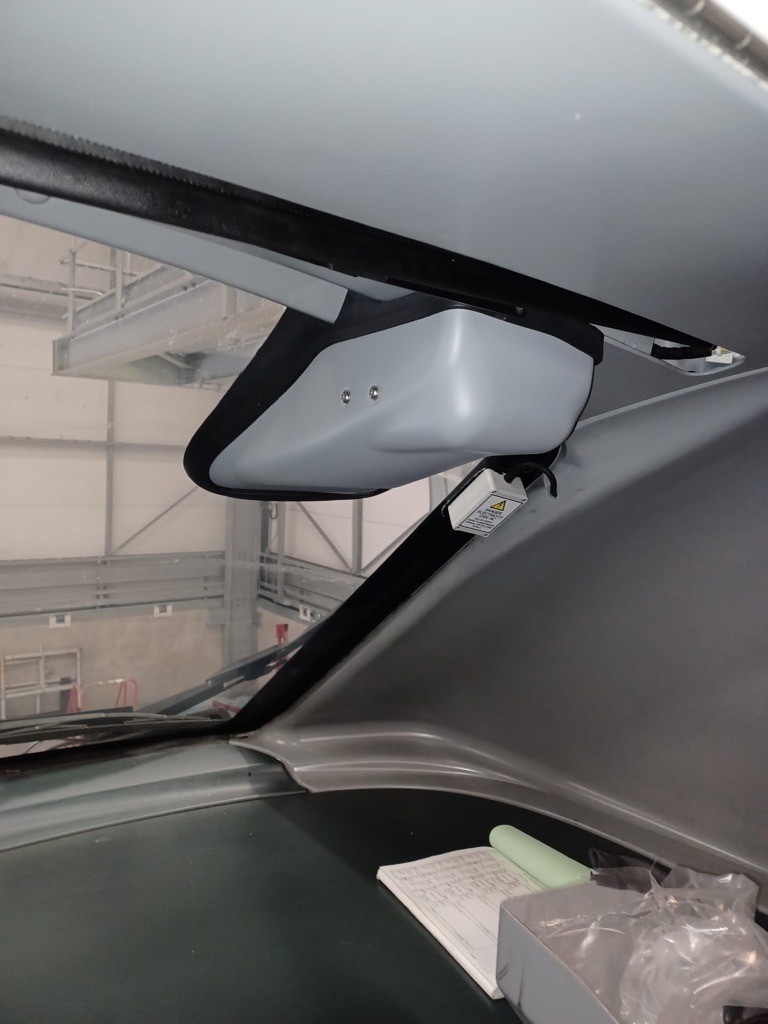
Angel Trains and Alstom required a compliant Forward Facing Closed-Circuit Television (FFCCTV) shroud for driver assessment on Class 390 units and sought a solution that could be rapidly produced in low volume for in service trials.
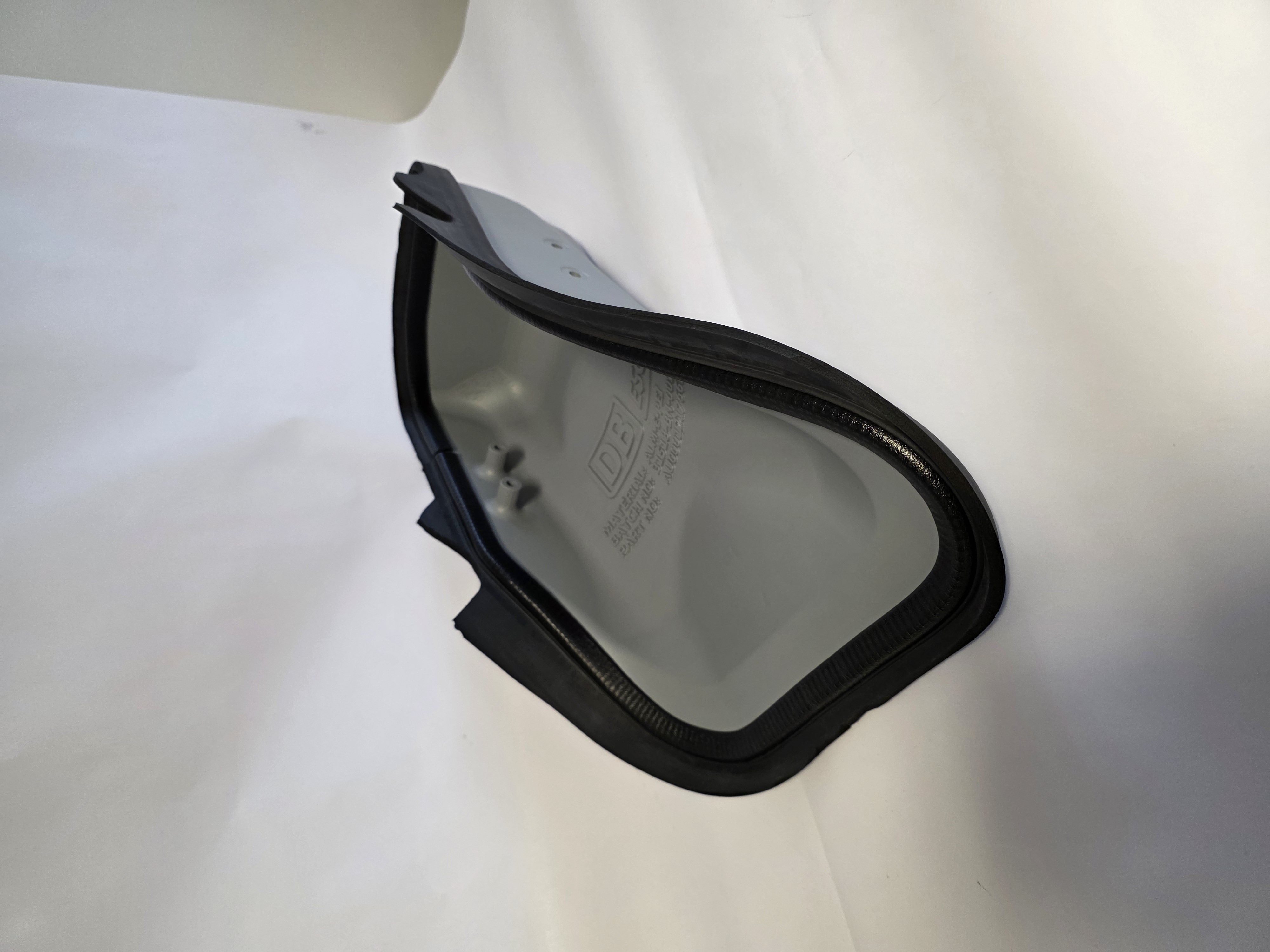
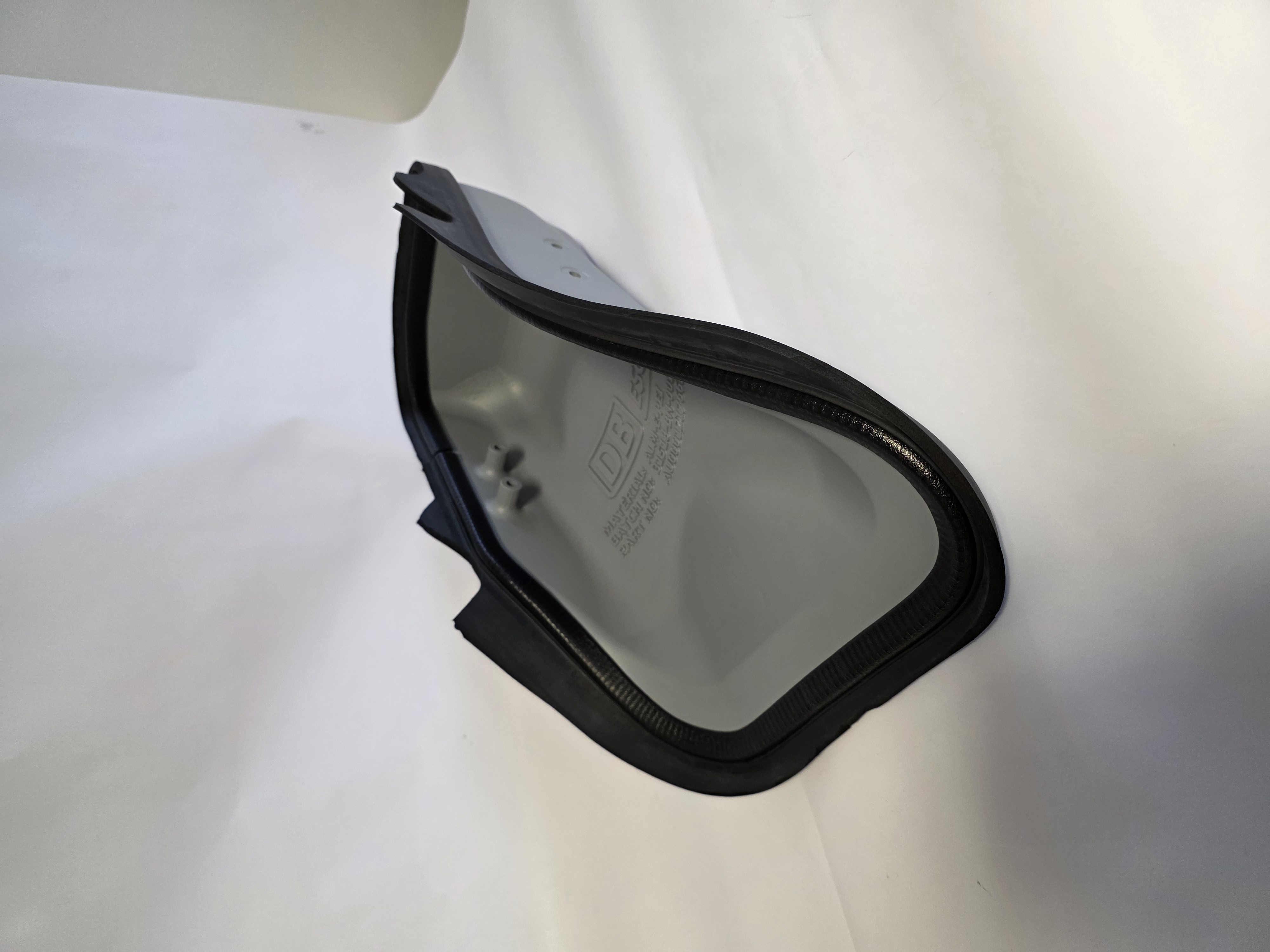
For this project, DB ESG used additive manufacturing (AM) to initially produce a prototype FFCCTV shroud.
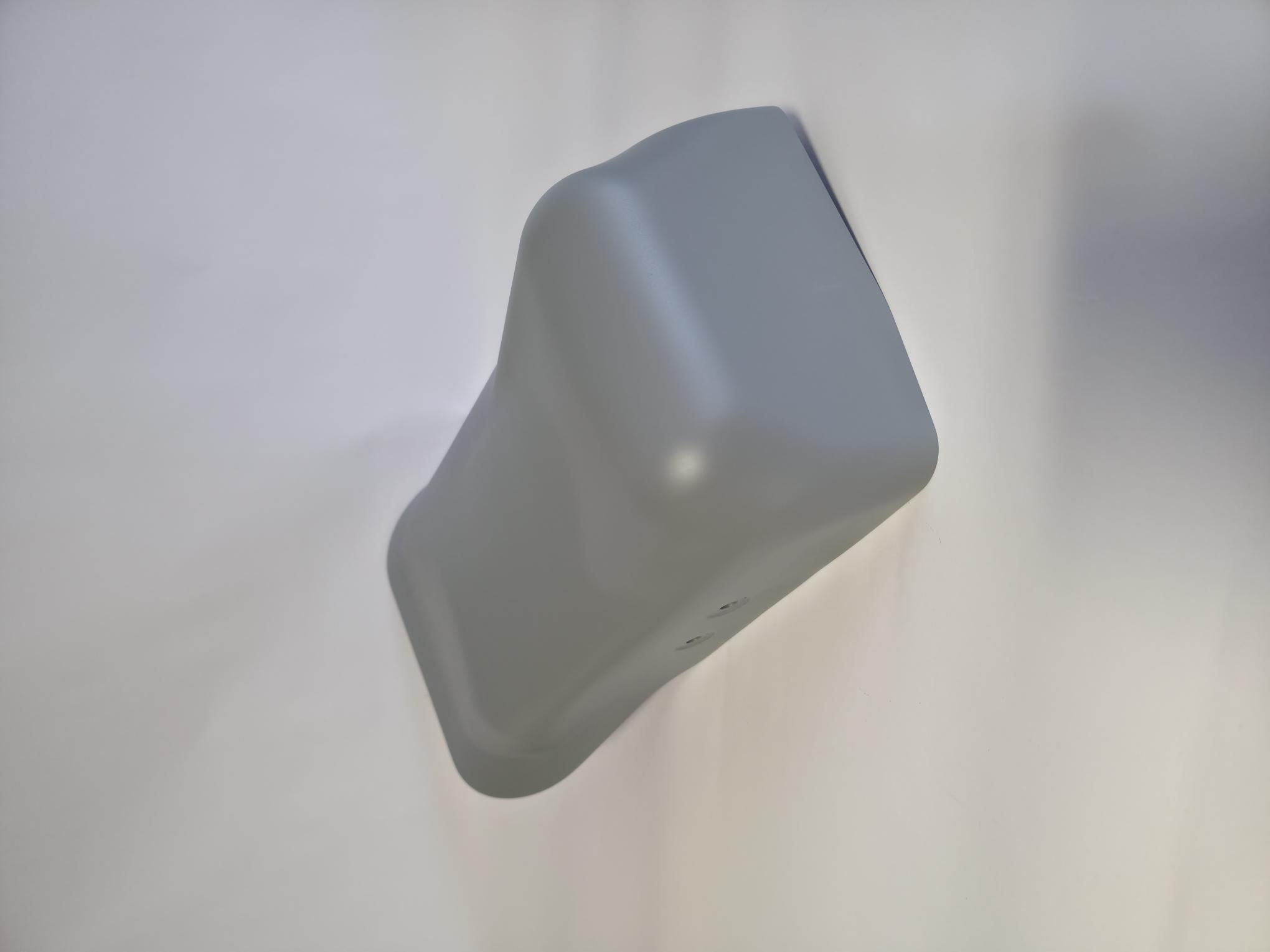
Following driver feedback, Alstom refined the design and re-engaged DB ESG to support further development and manufacture of an updated design featuring a complex curved geometry for in service trials.
This project demonstrated how AM can provide a fast, flexible and cost-effective way to develop compliant rail components, with rapid progression from design refinement to in-service evaluation.
Scope of Work
DB ESG’s ensured the revised design was suitable for additive manufacture, whilst achieving full compliance for in service application.
Production of two FFCCTV shrouds using Fused Deposition Modelling (FDM) 3D printing technology.
Selection of a material compliant with Requirement Set R1 of BS EN 45545-2.
Application of a rail approved coating to the RAL colour specified by the operator.
Delivery of a First Article Inspection (FAI) report to support product verification.
Supply of finished components to Alstom for vehicle fitment and in service trial.
Results
The project highlighted the value of AM in accelerating the development and approval of compliant components for rail applications.
Rapid delivery: Fully compliant FFCCTV shrouds were manufactured, finished and delivered within three weeks, enabling an accelerated trial programme compared with traditional manufacturing methods such as Glass Reinforced Plastics (GRP).
Trial validation: Parts were successfully installed for in-service trial on Class 390 units, with positive feedback on the fit and finish of the FFCCTV shrouds.
Design flexibility: AM enabled the efficient production of a complex curved geometry, avoiding tooling costs and lead times associated with conventional manufacturing techniques.
Scalability potential: Subject to trial outcomes, the solution demonstrates a viable route to fleet-wide deployment.
Interested in Learning More about DB ESG’s Digital Engineering Service? - Digital Engineering
 Go